How AI Is Revolutionizing Clothing Design, Styling, and Retail
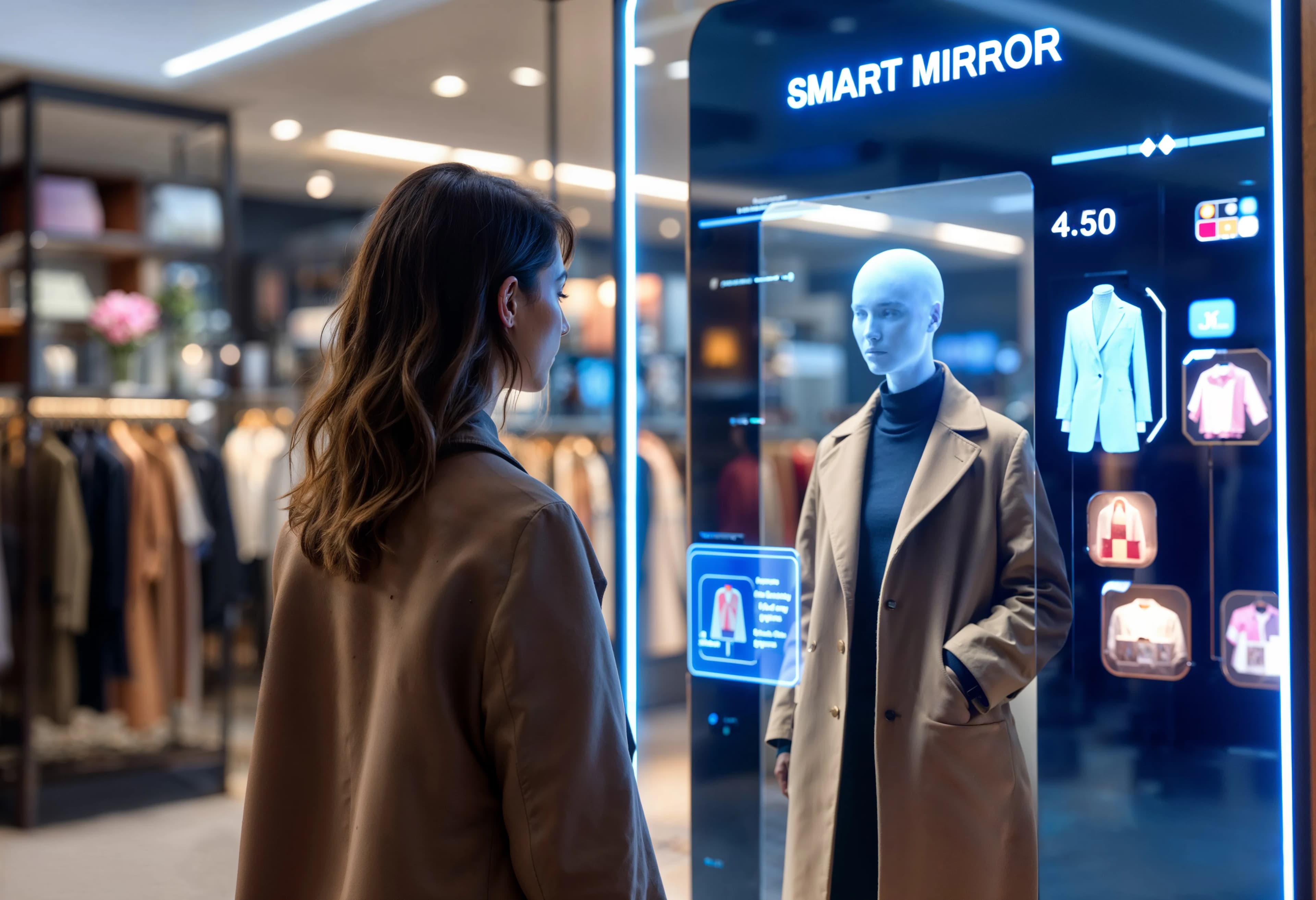
Artificial intelligence is becoming an increasingly essential aspect in the fashion industry, empowering brands to evolve their process from design to production. Designers, retailers, manufacturers, and even shoppers have the opportunity to leverage AI for garment ideation, trend forecasting, product photography, and style discovery.
The most valuable impact of AI is that it enables fashion brands to apply niche software for specific aspects of the workflow rather than overhaul the entire creative process. The right technology can eliminate tedious work while still retaining the human edge required for artistic direction and brand development.
AI Tools for Fashion Design and Development
Traditionally, the process of conceptualizing a clothing collection involves sketching, sampling, and a series of back-and-forth iterations between design and production. Generative AI can streamline this process by transforming abstract ideas into visual concepts. Next in Fashion has an AI creative platform specialized for fashion photoshoots and visual development. It can prove to be an invaluable resource for teams that need to experiment and iterate on concepts before finalizing production.
Raspberry AI is a generative design platform designed specifically for fashion designers, offering a set of tools to aid in the conceptualization and ideation of garments. Similarly, Refabric has an AI design assistant that supports the ideation process for a collection.
3D Software for Digital Garment Creation
Sampling is an expensive and time-consuming part of garment production, especially if multiple iterations are necessary. Digital garment design software enables fashion houses to visualize a design and make alterations before sampling. CLO 3D is a 3D garment design software that specializes in 3D clothing design and fitting. It is a great resource for designers who need to execute complex garment construction or communicate their vision to production.
Style3D is another 3D design software with the added benefit of text-to-design and AI-driven virtual try-on. For digital product development at scale, Browzwear is a 3D software company that focuses on digital product development for apparel manufacturers.
These digital garment creation tools can alleviate the sample-heavy production process, enabling faster iterations between design and production while reducing costs.
AI Tools for Clothing Photography and Product Imagery
Fashion brands are in a constant need of product imagery for e-commerce listings, advertisements, social media, and photoshoots. Photo editing tools allow brands to optimize their images, but fashion photography AI can enable companies to recreate their photoshoots with minimal resources. Botika can transform flat-lay product photography into on-model images, which can be useful for brands that need to maximize the value of their existing catalog photos. WeShop AI has AI-generated fashion models and product photography tools that are ideal for marketplace product listings.
For a more comprehensive AI creative suite, WearView has an entire toolkit focused on AI fashion models, virtual try-on, and video creation. While AI-generated photography can save companies time and effort, it is essential to ensure that the products in the image are accurate, as garment fit, color, and sizing might appear differently than expected.
AI for Trend Forecasting, Merchandising, and Retail
One of the most important aspects of fashion merchandising is trend forecasting. Forecasting enables fashion retailers to have an idea of what consumers will be buying in the future based on current observations. Trend data can come from a variety of sources, such as social media, search volume, street style, and even influencers. Heuritech uses social-image recognition technology for fashion trend forecasting, and it can be an essential tool for fashion retailers and designers that want to base their merchandising decisions on concrete information.
Stylumia is an AI trend forecasting platform that specializes in demand sensing and fashion trend analytics for fashion retailers. It can assist in making the data-driven merchandising decisions essential for modern retail operations. For a similar purpose, EDITED has a toolset focused on garment merchandising and pricing intelligence that can assist in optimizing a retail business’s operations.
AI Tools for Virtual Try On and Styling
AI is also making inroads in the realm of online shopping. Virtual try-on and styling tools can facilitate the consumer’s journey by enabling them to see how a particular item would look on an avatar. Doji is a virtual styling platform where users can create an avatar and experiment with different virtual outfits. At the same time, Whering has a different approach to virtual styling that enables users to digitize their existing wardrobe and suggest outfits based on their existing clothes.
For a more comprehensive AI styling experience, Daydream has an AI shopping assistant that allows users to converse with an AI chatbot and discover new items across multiple fashion brands. These tools can be incredibly valuable for consumers that want to maximize the potential of their wardrobe while discovering new clothes.
AI Tools for Fabric and Pattern Development
Clothing patterns are a fundamental part of garment construction, and pattern-making can be a tedious process. Patterned AI is an AI platform that produces printable seamless patterns based on a prompt. Designers can utilize this technology to experiment with pattern variations and obtain patterned fabric swatches for their designs.
The most successful applications of generative design often involve leveraging the AI output as a starting point before iterating on the design themselves. Patterned AI can be an excellent tool for designers that want to speed up the pattern experimentation process.
AI Tools for Fashion Discovery and Shopping
Consumers are demanding more relevant fashion recommendations than ever before. Syte has a visual search and discovery tool that can assist in finding products on fashion retailer websites. Search engines have long dominated the product discovery process, but visual search can be a superior alternative in the fashion context, as it enables consumers to upload images instead of typing queries.
For price comparisons, Phia has a toolset that analyzes whether a given fashion product is priced reasonably based on the available alternatives. Both Syte and Phia can facilitate the online shopping experience by enabling more intuitive product discovery and value comparisons for fashion-conscious consumers.
How to Choose an AI Tool for Fashion
It is evident that AI has a multitude of applications in the fashion industry, but what is the best fit for a given company or individual? The most essential consideration is to identify the area where AI can maximize productivity. For example, design studios may want to invest in 3D clothing design or pattern-making tools, while fashion retailers may benefit from trend forecasting, merchandising, or product photography.
In terms of individual consumers, virtual styling assistants or AI visual search tools may be the most useful tools for everyday shopping and self-expression. Manufacturers can invest in digital garment design and virtual sampling tools, while marketers may want to utilize AI photo editing or content creation tools.
A similarly essential consideration is to examine the pricing, as AI tools can range from having a free plan to costing thousands of dollars per year. It is always advisable to test an AI tool and see its impact on an actual project before committing to a long-term subscription.
What Is the Future of AI in Fashion?
It is evident that AI has the potential to transform the fashion industry, and many aspects of the production chain will be affected. Trend forecasting, design, merchandising, and product content generation are only some of the areas where AI can be integrated into current operations. At the same time, the most successful applications of AI in fashion will be those that complement the strengths of human workers rather than replace them.
The most competitive fashion brands are likely to be the ones that embrace AI-assisted productivity while maintaining their creative edge, brand identity, and craftsmanship. For companies that want to explore the possibilities of AI in fashion, TAIFY's AI Match can suggest relevant tools for specific applications, such as trend forecasting, virtual styling, or digital garment design.
Find an AI Tool for Your Fashion Business
There are numerous benefits to be gained from leveraging AI in the fashion industry, and there are many potential applications. Whether it is 3D garment design, trend forecasting, or visual search, many verticals of the industry can benefit from AI-assisted productivity.
Instead of jumping into multiple AI tools at once, it may be a good idea to identify the aspect of the business that would benefit the most from AI assistance. Explore the possibilities of generative AI and find a tool that can help your fashion business streamline its operations.
You can also browse TAIFY's AI tools or compare different solutions to find an option that fits your requirements.
Keep reading
- Best E-Commerce AI Tools in 2026: Product Photos, Personalization & SalesExplore the best AI tools for e-commerce businesses, including solutions for online stores, customer support, personalization, and sales.
- Best Real Estate AI Tools: Staging, Lead Generation & Property ManagementDiscover top AI solutions for real estate, from virtual staging and listing content to lead generation, property management, valuation, and agent productivity.
- Top 10 Best AI Listing Platforms to Submit Your AI Startup in 2026Looking to launch your AI tool? Discover the top 10 AI listing platforms in 2026 based on traffic, domain authority, pricing, and buyer intent.
Or skip the reading: browse every AI tool, pick a category, or put two head to head.